Recent Posts
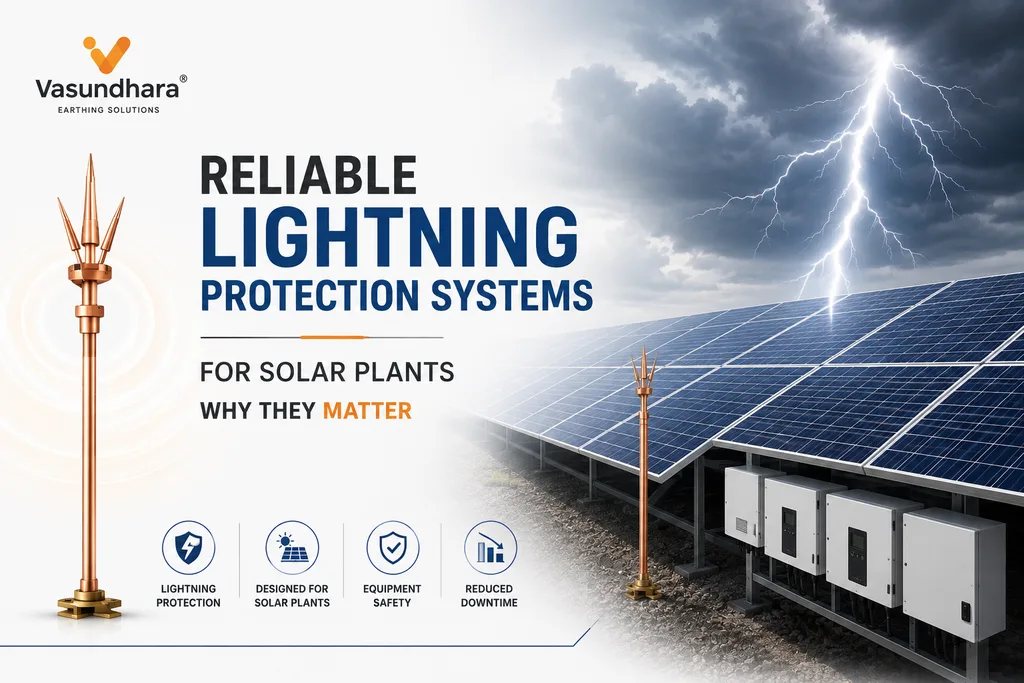
Reliable Lightning Protection Systems for Solar Plants: Why They Matter
Solar installations are built to handle decades of heat, wind, and rain, but they have a massive weak spot: open-sky exposure. Because solar farms and commercial rooftops sit out in the open, they act as prime targets for lightning strikes.
When lightning hits an unprotected system, or even strikes nearby, the resulting surge travels fast. It can toast inverters in an instant, ruin sensitive monitoring sensors, and knock out entire sections of a grid. Beyond the immediate repair costs, the lost energy production during downtime hits your bottom line hard.
Installing a dedicated solar plant lightning protection system prevents that scenario. These setups intercept raw electrical discharges and channel the voltage safely into the earth before it can reach your core equipment. For any commercial array or utility-scale project, putting proper grounding and surge protection in place isn't just a safety check, it's basic risk management for your investment.
Why Are Solar Plants Such Easy Targets for Lightning?
Solar farms are basically massive lightning rods sitting out in the open. Unlike traditional power plants housed in tall concrete buildings or shielded by urban surroundings, solar arrays cover acres of flat, exposed land with zero natural cover. When you couple that open footprint with miles of interconnected metal racks, raised panels, and buried copper lines, you get a giant receiving antenna for atmospheric discharges. This is exactly why lightning protection for solar power plants has become a critical part of modern solar infrastructure rather than an optional safety measure.
The fact is that lightning doesn't even need to hit a panel directly to cause severe damage. A strike anywhere near the property creates a massive electromagnetic field. That sudden energy burst induces high-voltage spikes right into your AC/DC cabling networks. Because modern solar sites depend so heavily on microprocessors, delicate sensors, and automated string inverters, a single indirect surge can fry circuit boards across half the array in a microsecond, leaving you with massive repair bills and dead production lines.
Why a Reliable Lightning Protection System Is Non-Negotiable
Skipping out on proper solar farm lightning protection is a massive gamble. You aren't just shielding a few glass panels on a field; you are protecting the core nerve center of your power setup, from expensive string inverters and step-up transformers down to the delicate data lines tracking daily performance.
When a strike hits an unprotected site, physical equipment damage is only the first headache. The real hit comes from extended operational downtime. For a utility-scale installation, losing power output for even half a day can wipe out revenue, throw off delivery schedules, and spike your ongoing maintenance costs.
A well-engineered protection system prevents those operational bottlenecks. By providing a clean, low-resistance path that dumps high-voltage energy straight into the earth, it stops destructive voltage spikes from ever touching your critical electronics. Ultimately, it gives you peace of mind that your site will keep running smoothly and safely, no matter what rolls in with the weather.
How Lightning Affects Solar Power Plants
Lightning doesn't affect a solar site in just one way. The damage usually comes down to two main scenarios, both of which can leave you with broken hardware and a dead grid connection. That's why investing in a lightning protection system for solar panels is no longer optional for commercial solar installations exposed to unpredictable weather.
Direct Lightning Strikes
When the bolt meets the panel, the results are immediate and violent. A direct strike dumps thousands of amperes of raw electricity into whatever it touches in a fraction of a second. Solar modules shatter, metal mounting racks warp under extreme thermal stress, and power lines literally melt.
When this happens, there's no quick fix. You're looking at a complete local shutdown and immediate component replacement. Proper lightning protection for photovoltaic systems helps reduce the risk of catastrophic damage by safely directing lightning energy away from critical equipment.
Induced Electrical Surges
Direct hits get all the attention because they make a mess, but indirect strikes do far more damage across an array.
A strike a few hundred yards away creates a sudden electromagnetic pulse that hitches a ride on your buried DC cables, AC runs, or data lines.
These transient spikes move silently through the wiring without any visual warning, punching right through the insulation on inverter boards and sensitive control modules before your breakers even have time to react. This is why surge protection for solar plants plays a vital role in protecting sensitive electrical and electronic systems.
Damage to Critical Equipment
The biggest victims of these sudden spikes are rarely the heavy steel racks—it's the delicate micro-electronics.
Modern solar arrays run on complex string inverters, step-up transformers, SCADA communication lines, and weather sensors. These components aren't built to handle sudden voltage spikes, and a single surge can fry their internal circuit boards instantly. Combining solar PV lightning protection with a properly designed earthing system for solar power plants helps reduce the impact of both direct strikes and surge currents.
Operational and Financial Impact
When an unexpected surge takes out key equipment, buying replacement hardware is usually the smallest bill you'll face.
The real damage occurs on the operational side: lead times for specialized transformers can drag on for weeks, emergency dispatch crews don't come cheap, and every hour of missed generation is revenue you never get back.
Throw in higher insurance premiums after a claim, and a single preventable surge ends up destroying far more than just a piece of copper. Investing in reliable solar plant safety solutions helps minimize these risks while supporting uninterrupted power generation.
How an Integrated System Actually Protects the Site
Keeping a solar plant safe from lightning comes down to path control. You aren't trying to block the strike; you're giving that massive burst of energy a dedicated, low-resistance route straight into the ground so it never touches your generation assets.
That requires two systems working in tandem:
External Strike Capture
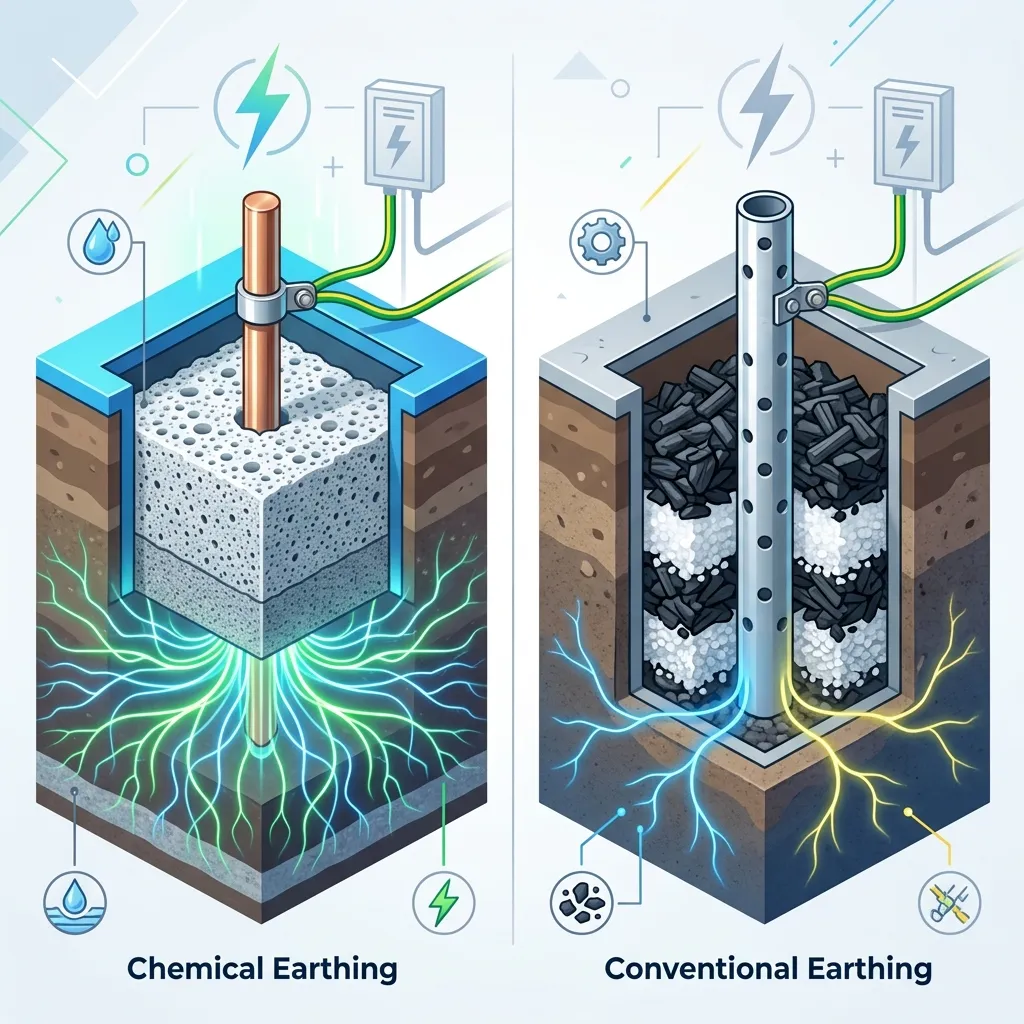
When a bolt hits, strategically placed air terminals take the blow on behalf of the array. High-capacity down conductors immediately carry that current straight down the mounting posts and into an engineered earthing grid underground. By dispersing the charge deep into the dirt, the system prevents ground potential rise, meaning high voltage won't back up into your buried DC runs or tracking motors.
Internal Surge Suppression
While the air terminals handle the physical hit, Surge Protection Devices (SPDs) protect the delicate internals. Wired directly into junction boxes, inverters, and transformer terminals, these units act like high-speed pressure relief valves. The moment a voltage spike travels down a cable, the SPD clamps down and diverts that surge to ground before it can fry the circuit boards inside your electronics.
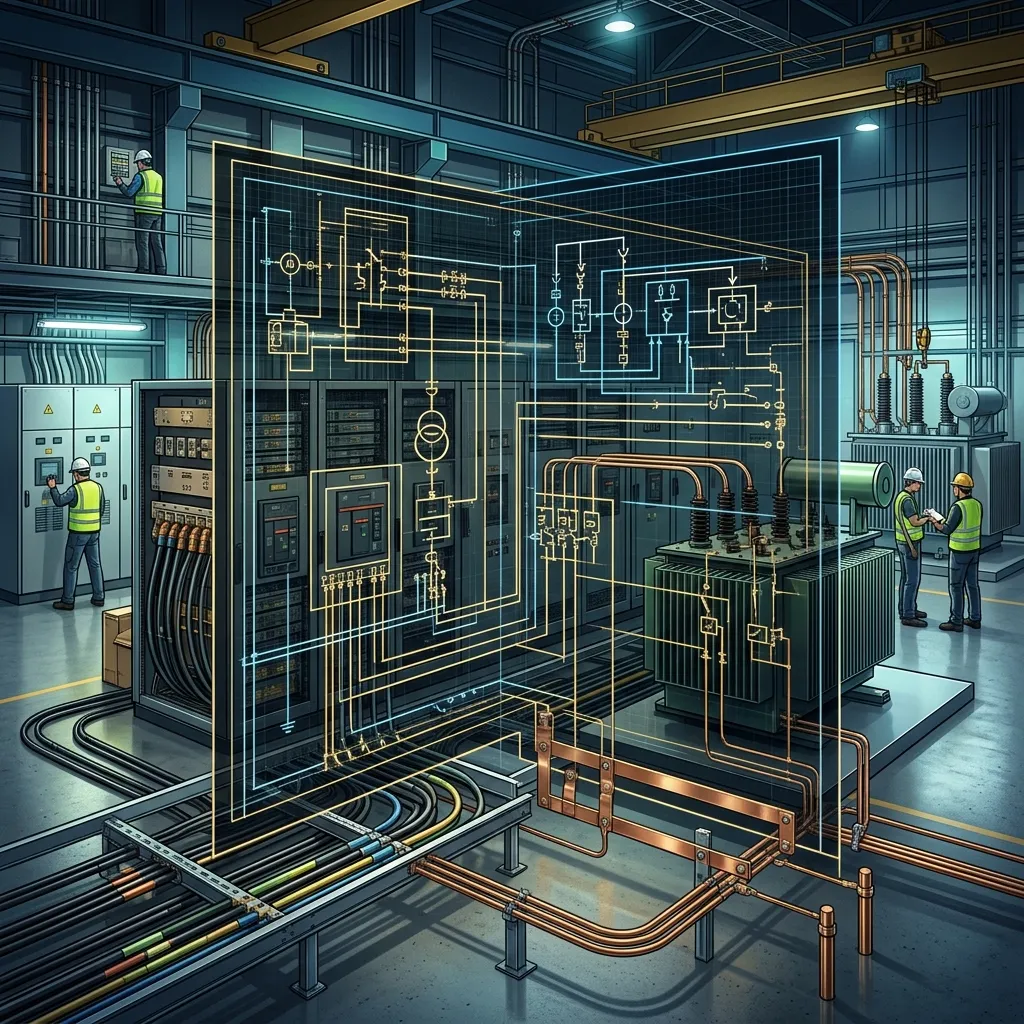
When you combine that surge suppression with equipotential bonding across all steel racking and cable trays, every metal object on site stays at the exact same electrical voltage. No voltage gaps mean no internal arcing, keeping both your crew and your capital equipment completely safe.
Key Components of a Reliable Lightning Protection System
A reliable system combines several components that work together to protect the plant from direct strikes and electrical surges.
Lightning Arresters
Lightning arresters for solar plants prevent high-voltage surges and direct them safely to the ground. This diversion ensures inverters, transformers, and other critical equipment are well-protected.
Surge Protection Devices (SPDs)
Surge protection for solar plants shields sensitive electrical and electronic equipment from transient voltage surges caused by nearby or direct lightning strikes.
Bonding and Down Conductors
Bonding keeps all metallic parts at the same electrical potential, while down conductors safely carry lightning current to the earthing system.
Air Terminals
Pointed, heavy-duty metal rods mounted on the highest roof points to actively intercept the downward lightning leader.
Ground Rods
Deeply buried copper or copper-bonded steel electrodes that handle the massive transfer of electrical current into the soil.
What a Properly Protected Site Actually Delivers
Putting solid protection in place isn't just about passing a compliance audit—it's an insurance policy on your site's operational continuity. When the atmospheric weather turns, a well-engineered system yields clear operational returns:
- Hardware Protection That Holds: Keeps high-voltage spikes out of your main capital investments, sparing string inverters, transformers, and tracking control boards from being written off in a single storm.
- Fewer Unplanned Outages: Eliminates the long revenue gaps caused by dead equipment, especially when supply chain delays for specialized components can stretch into weeks.
- Component Longevity: Protects microelectronics from massive lightning strikes as well as minor, unnoted grid transients that can degrade circuitry over years of service.
- Safer Field Operations: Neutralizes dangerous ground potential rise and thermal arcing, ensuring field technicians aren't walking into a high-risk environment during maintenance rounds.
- Consistent Grid Performance: Preserves overall plant availability and performance ratios, ensuring energy yield stays predictable for stakeholders and off-takers alike.
Protect Your Solar Plant with the Right Lightning Protection System
Lightning strikes have an unpredictable nature. They pose a significant risk to solar plants. However, when you have the right lightning protection system in place, the chances of equipment damage, maintenance downtime, and safety hazards decrease.
All you need is a properly designed earthing system installed, maintaining reliable power generation while keeping valuable assets protected.
The right decision to choose the right lightning protection system isn't just about meeting safety requirements, it is about ensuring smooth long-term performance and profitability of your solar installation.
Reach out to Vasundhara Earthing if you are exploring lightning protection solutions providers in major cities like Rajkot, Delhi, Mumbai, Ahmedabad, Chennai, or Bangalore.
We offer reliable lightning protection and earthing solutions designed for solar power plants, helping safeguard critical equipment, improve system reliability, and support long-term operational performance. Contact our team to discuss the right solution for your project.
FAQs
Q.1. Are surge protection devices necessary for solar plants?
A: Yes. Surge protection devices protect sensitive electrical equipment from transient voltage surges caused by direct or nearby lightning strikes, reducing the risk of equipment failure.
Q.2. Can rooftop solar systems also benefit from lightning protection?
A: Absolutely. Both rooftop and ground-mounted solar installations can benefit from appropriate lightning and surge protection based on their location and design.
Q.3. How often should a solar plant's lightning protection system be inspected?
A: Regular inspections and periodic testing are recommended to ensure all components remain in good condition and continue providing effective protection.
Q.4. Does every solar plant require the same lightning protection design?
A: No. The protection system should be designed according to the plant's size, location, lightning risk, soil conditions, and applicable electrical standards.
Q.5. How can Vasundhara Earthing help protect my solar plant from lightning?
A: Vasundhara Earthing provides reliable lightning protection and earthing solutions designed to improve safety, protect critical equipment, and support the long-term performance of solar plants.