


What Is Chemical Earthing? Benefits, Applications, and Installation Guide
An earthing system is easy to overlook because, under normal conditions, it does its job quietly in the background. The real test comes when a fault occurs or a lightning discharge finds its way into the electrical network. At that point, the quality of the earthing arrangement can make a noticeable difference to both equipment and safety.
Conventional earthing continues to serve many installations well, but it isn't always the most practical option where soil conditions change frequently or maintaining stable earth resistance becomes difficult. That's one of the reasons chemical earthing has become a preferred choice across many modern electrical installations. Before deciding whether it's suitable for your project, it's worth understanding how a chemical earthing system works, where it's commonly used, and what its installation involves. Let’s begin with the question: what is chemical earthing exactly?
What Is Chemical Earthing?
Most earthing systems perform well when they're first installed. The real challenge is keeping that performance consistent over the years. Dry seasons, changing soil conditions, and corrosion gradually affect the earth resistance, which is one of the reasons chemical earthing has become a preferred choice for many critical electrical installations.
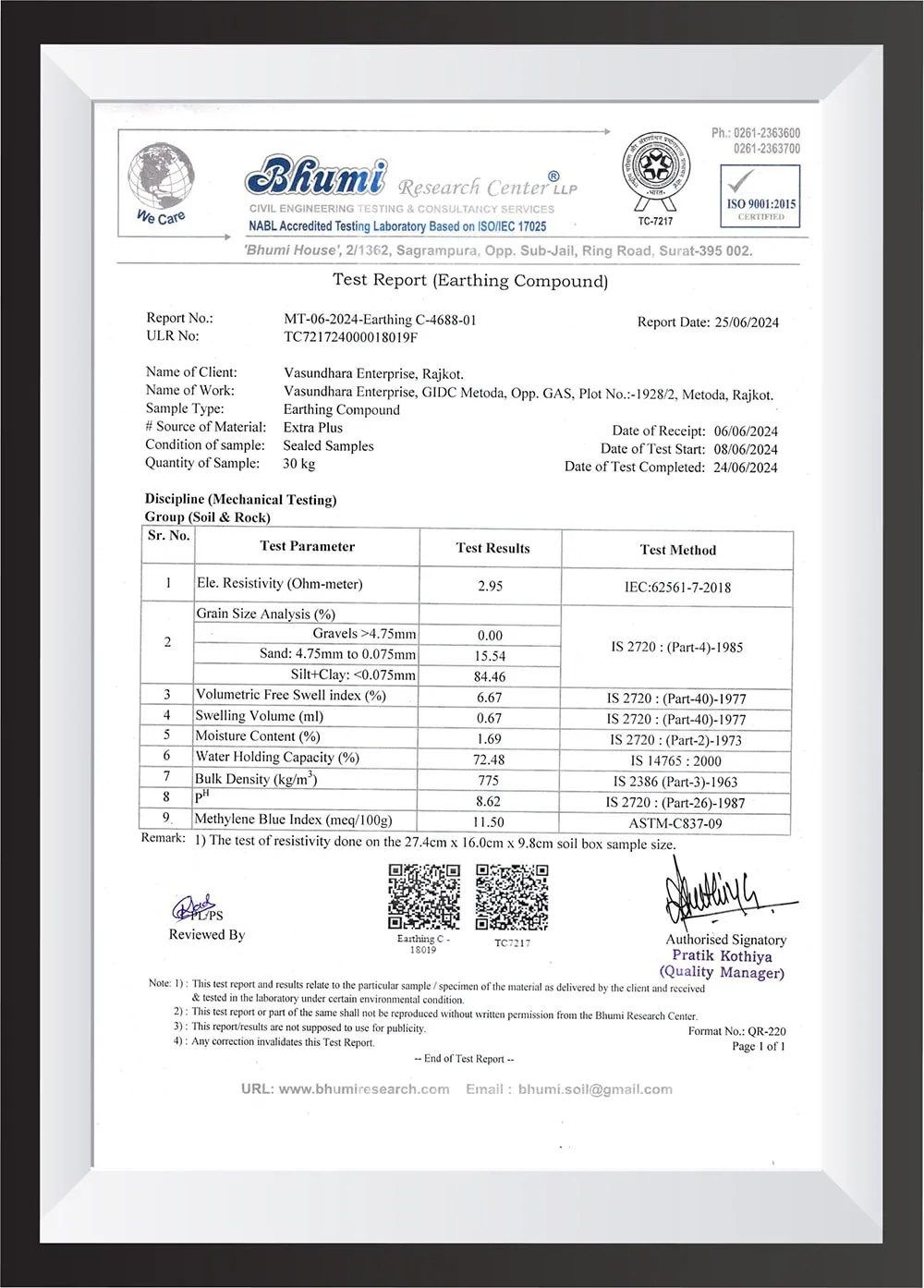
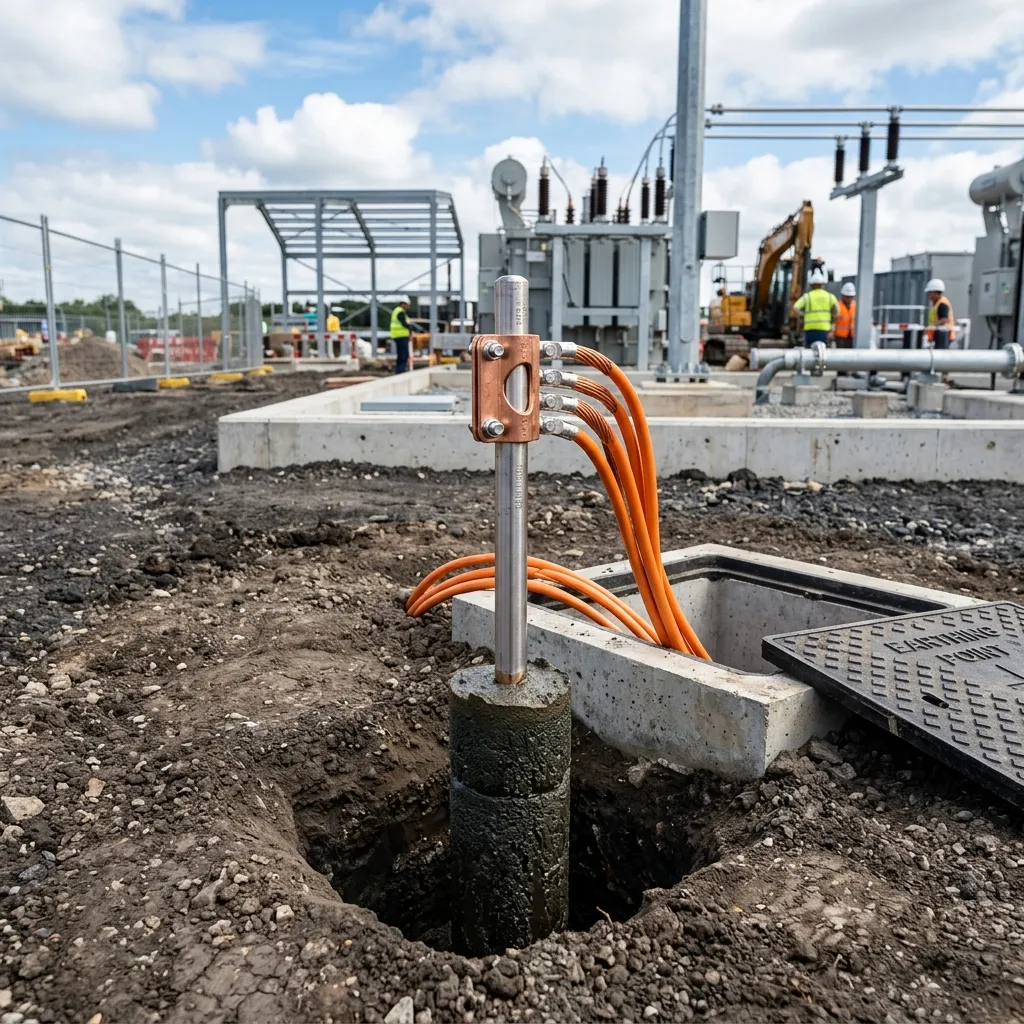
A chemical earthing system uses a specially engineered chemical earthing electrode installed with a conductive backfill compound. Rather than depending only on the surrounding soil, the system is designed to maintain a more stable electrical path to the ground, making it a practical option where dependable grounding is expected throughout the life of the installation.
Benefits of Chemical Earthing
The benefits of chemical earthing become more apparent over time rather than immediately after installation. The following aspects explain why it continues to be specified across a wide range of electrical projects.
Stable Earth Resistance
Earth resistance doesn't remain constant throughout the year. It can rise as the soil dries out or its characteristics change with the seasons. A properly installed chemical earthing system is better equipped to handle these variations because the earthing electrode is surrounded by a conductive backfill compound, helping maintain low resistance earthing more consistently under changing site conditions.
Reduced Maintenance Requirements
No earthing system is completely maintenance-free, but some demand far less attention than others. That's why maintenance-free earthing is often used to describe chemical earthing in practice. Periodic inspection is still recommended, yet routine watering and frequent corrective work are generally reduced when the system is installed correctly.
Better Performance in Challenging Soil
Not every site offers favourable ground conditions. Rocky land, sandy soil, reclaimed plots, and locations that remain dry for long periods can make it difficult to achieve the required earth resistance. These are the situations where chemical earthing is often preferred, as the conductive backfill around the electrode helps reduce the impact of changing soil conditions.
Extended Service Life
An earthing system isn't replaced on a fixed schedule. It stays in service for years, provided it continues meeting the required performance. When quality electrodes, conductive compounds, and proper installation practices come together, chemical earthing usually requires fewer replacements than systems that deteriorate more quickly under the same site conditions.
Applications of Chemical Earthing
Manufacturing and Process Plants
Electrical faults in a manufacturing plant rarely affect just one machine. A single grounding issue can interrupt production across an entire line. That's one reason industrial earthing solutions often favour chemical earthing where stable earth resistance is expected throughout the year.
Commercial Buildings
Commercial buildings bring together several electrical systems under one roof. From lifts and HVAC units to fire alarms and backup power, everything depends on reliable grounding. That's why earthing for commercial buildings is planned with the expectation that it should continue performing without becoming a recurring maintenance issue.
Power, Telecom, and Critical Installations
Some sites simply can't afford uncertainty in their grounding system. A substation, telecom tower, or data centre is expected to operate without interruption, even as site conditions change over time. Chemical earthing is commonly used in these installations because maintaining stable earth resistance is just as important as protecting the equipment itself.
Chemical Earthing Installation Guide
The Site Is Studied Before Any Work Begins
No two locations behave the same. Soil conditions, available space, and the required earth resistance are reviewed before deciding where the electrode should go. Spending time on this stage usually prevents unnecessary changes once the installation is underway and helps the earthing installation deliver the expected results.
Installing the Earthing Electrode
The installation itself follows a straightforward sequence. The pit is prepared, the earthing electrode is placed in position, and the conductive backfill is added around it before the connection is completed. The objective isn't simply to complete the installation; it's to create a stable electrical path that continues performing after the site is handed over.
Choosing the Right Electrode
There isn't a single electrode that's suitable for every project. Copper bonded chemical earthing is often selected where corrosion resistance and service life receive greater attention.
A GI chemical earthing electrode continues to be used for many installations where the project requirements and site conditions make it a practical choice. The selection is normally based on the application rather than personal preference.
Final Thoughts
Chemical earthing has earned its place in modern electrical installations because it addresses practical challenges that conventional methods may not always handle efficiently. The right solution, however, always depends on the site, the operating environment, and the performance expected from the installation. A well-designed electrical grounding system remains one of the foundations of dependable electrical safety.
Vasundhara Earthing works with contractors, consultants, industries, and project owners to deliver earthing systems that match real project requirements. Whether you're planning a new installation or reviewing an existing one, our team can help you identify a chemical earthing solution that fits your application and complies with the required standards.