Recent Posts


How to Select the Best Earthing System for Your Facility
A poor grounding decision rarely causes trouble on day one. The real problems appear months later in the form of equipment failures, unexpected plant shutdowns, or costly maintenance.
To choose the right earthing system, you need more than a standard design. You need one that suits the way your facility actually operates. From soil conditions to electrical load and future expansion, several factors influence how well an earthing system for a facility performs over its service life.
Before You Decide, Look Beyond the Earthing Method
Many projects start with the same question: Should we use pipe earthing, plate earthing, or something else? In practice, that's rarely the first decision experienced engineers make.
They usually begin with the site itself. Ground conditions, the type of facility, future expansion, and maintenance expectations often shape the choice of the electrical earthing system long before a specific earthing method enters the discussion. Looking at those factors first usually leads to a far more reliable outcome.
Key Factors for Grounding System Selection
The grounding system selection starts with the site, not the product. Soil conditions, electrical demand, operating environment, and maintenance needs determine whether the system will perform reliably for years.
1. Analyzing Soil Resistivity and Chemistry
The ground doesn't behave the same everywhere, and that's often where the first design decisions begin. Two plots located a short distance apart can produce very different soil resistivity readings. Dry or rocky terrain may need a different approach than moisture-retaining soil if the electrical safety system is expected to perform consistently.
Soil chemistry also matters. Salts, industrial contamination, and acidic conditions can gradually affect electrodes and conductors, making early site testing a worthwhile investment rather than an optional exercise.
2. Assessing Facility Fault Current Requirements
Every facility places its own demands on an earthing system. A warehouse, an automotive plant, and a pharmaceutical unit may have similar connected loads on paper, yet the expected fault conditions can be quite different.
For that reason, an industrial earthing system is normally sized around the electrical characteristics of the installation rather than the type of building. It's also sensible to allow for future capacity, especially where additional machinery or production lines are already part of the long-term plan.
3. Environmental Conditions and Moisture Levels
Weather rarely stays constant, and neither do site conditions. A system that performs well during the monsoon may behave differently after months of dry weather, while coastal locations bring a separate challenge through moisture and salt in the air.
Those day-to-day realities influence both earth resistance and the life of exposed components. Selecting materials that suit the local environment often proves just as important as selecting the earthing method itself.
4. Longevity and Maintenance Feasibility
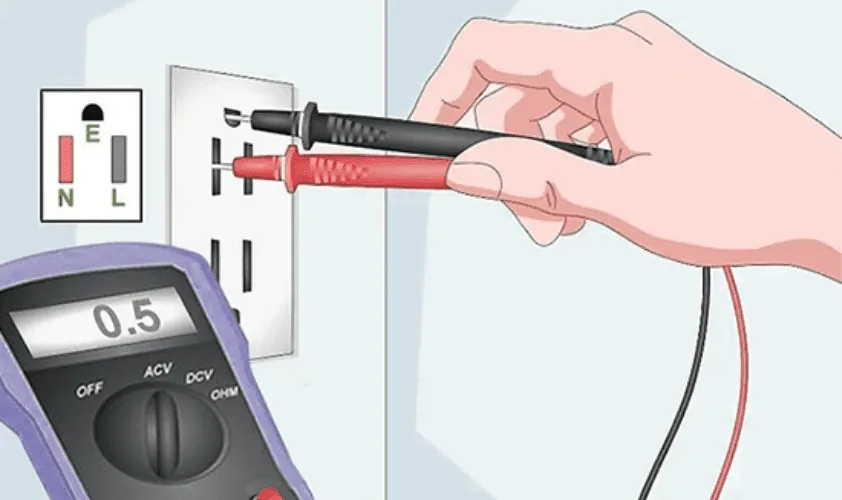
An earthing system shouldn't become difficult to inspect once construction is complete. Inspection chambers, accessible connections, and routine earth resistance testing make long-term maintenance far more practical.
A well-planned earthing installation isn't judged only by how it performs on commissioning day, but by how reliably it continues to perform years after the facility becomes operational.
Tailoring an Industrial Earthing System for Different Facilities
One of the easiest mistakes to make is assuming that a successful design from one project can simply be repeated on the next. In practice, that's rarely how projects work.
A manufacturing plant expanding its production line won't have the same priorities as a commercial complex adding new tenants, and neither of them faces the same expectations as a data centre where even a brief interruption can create larger operational issues.
That's why experienced engineers don't begin with a preferred product or method. They begin by understanding how the facility will be used. The most reliable earthing solutions are usually the ones that reflect the site's operating conditions rather than following a standard design used somewhere else.
Ensuring Compliance During Earthing Installation
Most earthing problems don't begin with the design. They show up during installation. A loose connection, an undersized conductor, or an earth pit that isn't built as specified can reduce the effectiveness of the entire earthing system for facility, even when the drawings are technically correct.
That's why site supervision matters. Every connection, joint, and earth resistance reading deserves the same attention as the equipment itself. Following recognised practices under IS 3043 and the applicable CEA regulations keeps the installation consistent, while proper testing before commissioning confirms that the earthing installation performs the way it was intended—not just the way it was designed.
The Decision That Stays with the Facility
Most facilities never question their earthing system until an electrical fault exposes a weakness. By then, changing the design is far more expensive than getting it right at the planning stage. Taking the time to evaluate the site, operating conditions, and long-term requirements usually leads to a safer and more dependable installation.
If you're reviewing an existing project or planning a new one, Vasundhara Earthing can help you identify an earthing solution that fits your facility instead of forcing your facility to fit a standard solution.
Speak with our team to discuss the right earthing approach for your next project.
FAQs
Q.1. Is a soil resistivity test really necessary before selecting an earthing system?
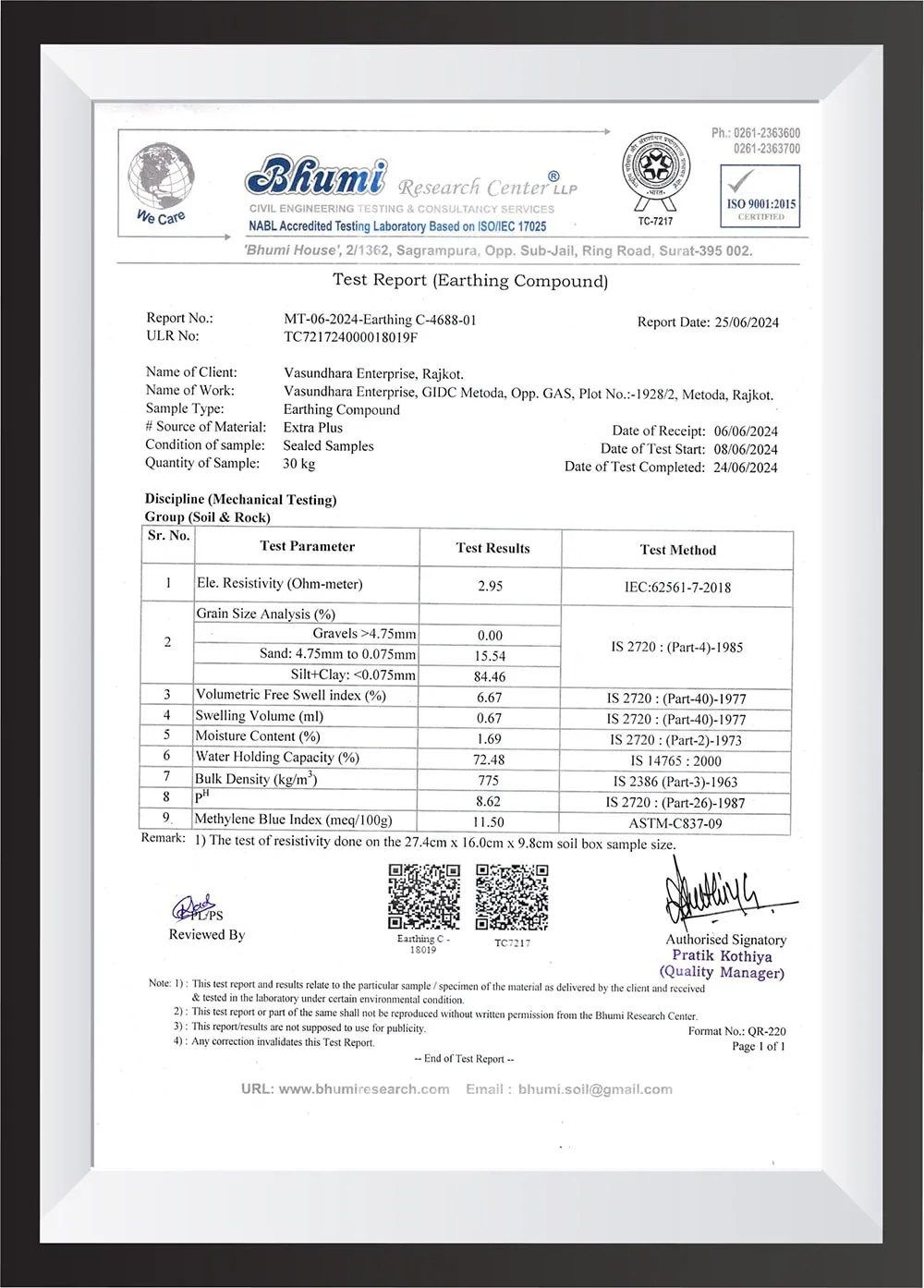
A: Yes. Soil resistivity directly affects earth resistance and helps determine which earthing solution is likely to perform reliably over the long term.
Q.2. Should earthing system selection be part of the project planning stage?
A: Absolutely. Considering earthing requirements early in the project enables better coordination with civil and electrical work while reducing the likelihood of costly design changes later.
Q.3. What to look for in an earthing system manufacturer?
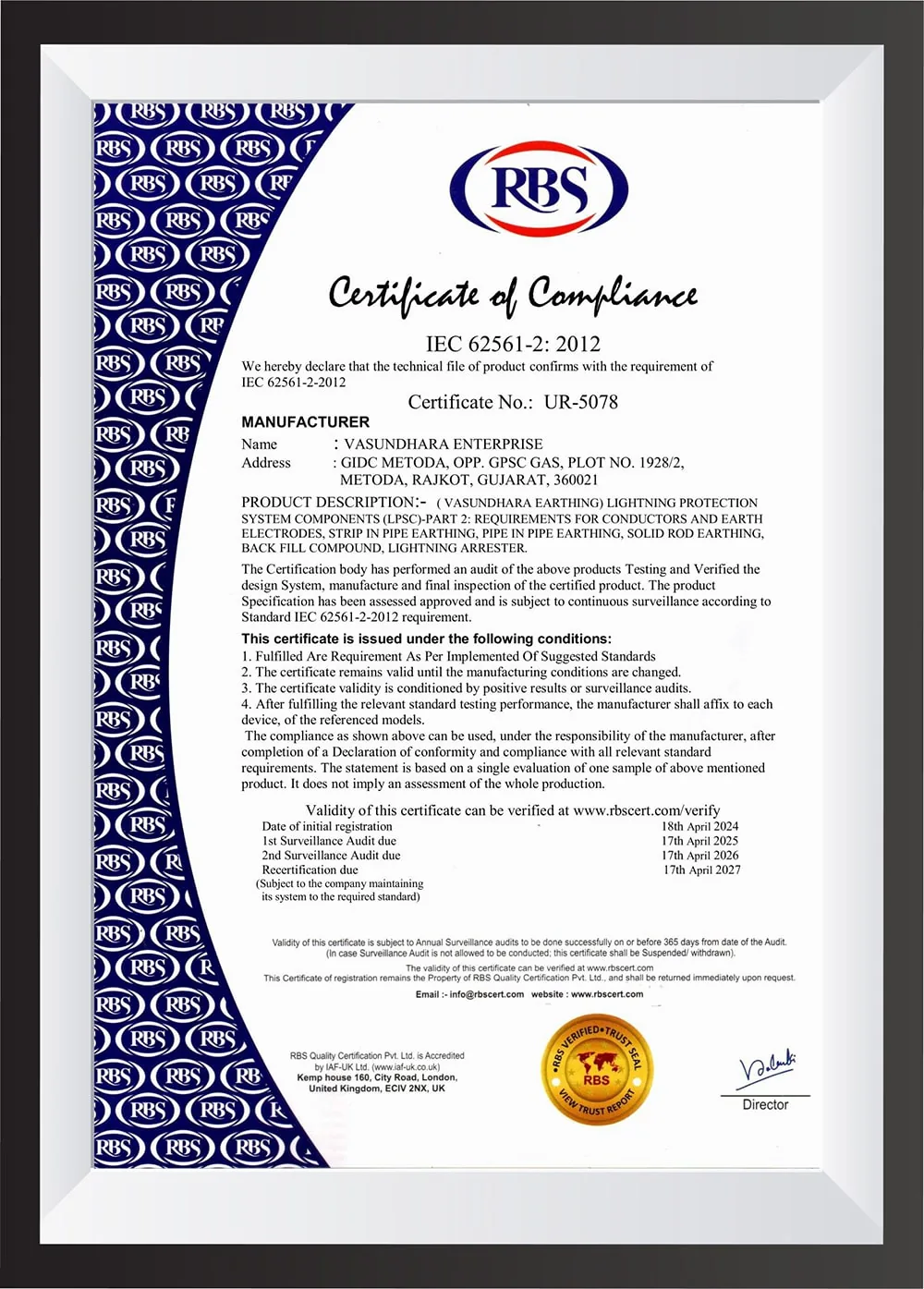
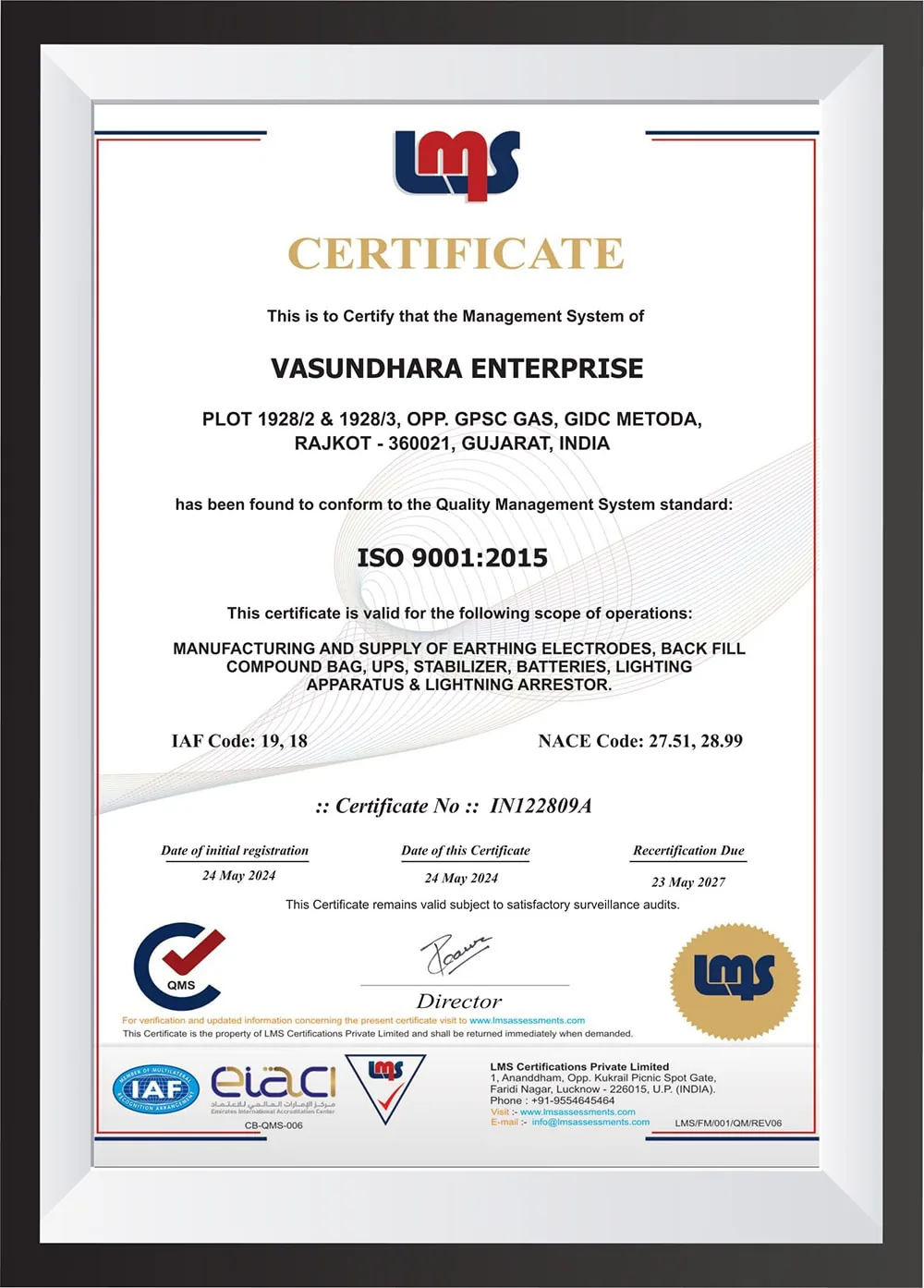
A: Choose a manufacturer that offers certified products, consistent quality, technical guidance, and solutions suited to different site conditions. A reliable manufacturer should help you select the right system, not simply sell a product.