Recent Posts


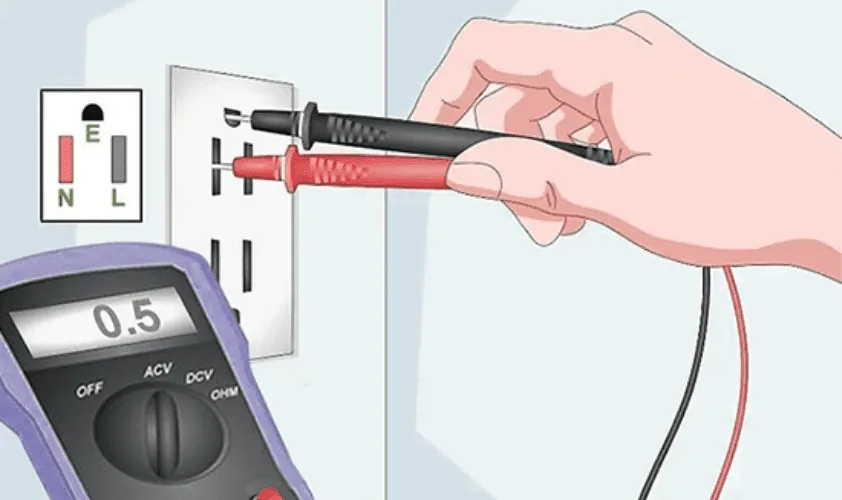
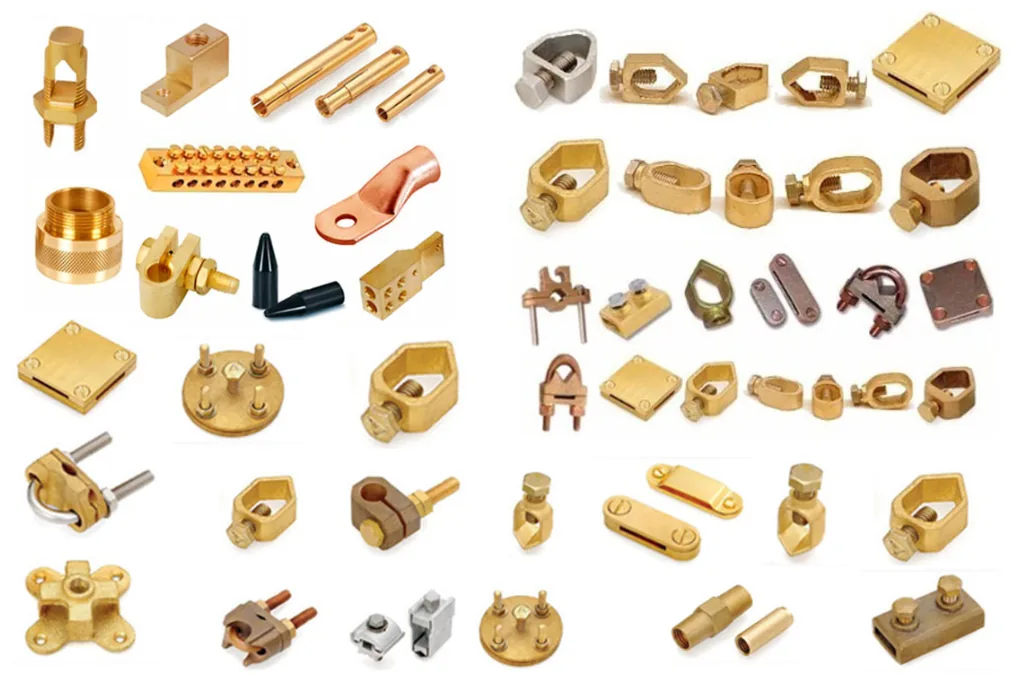
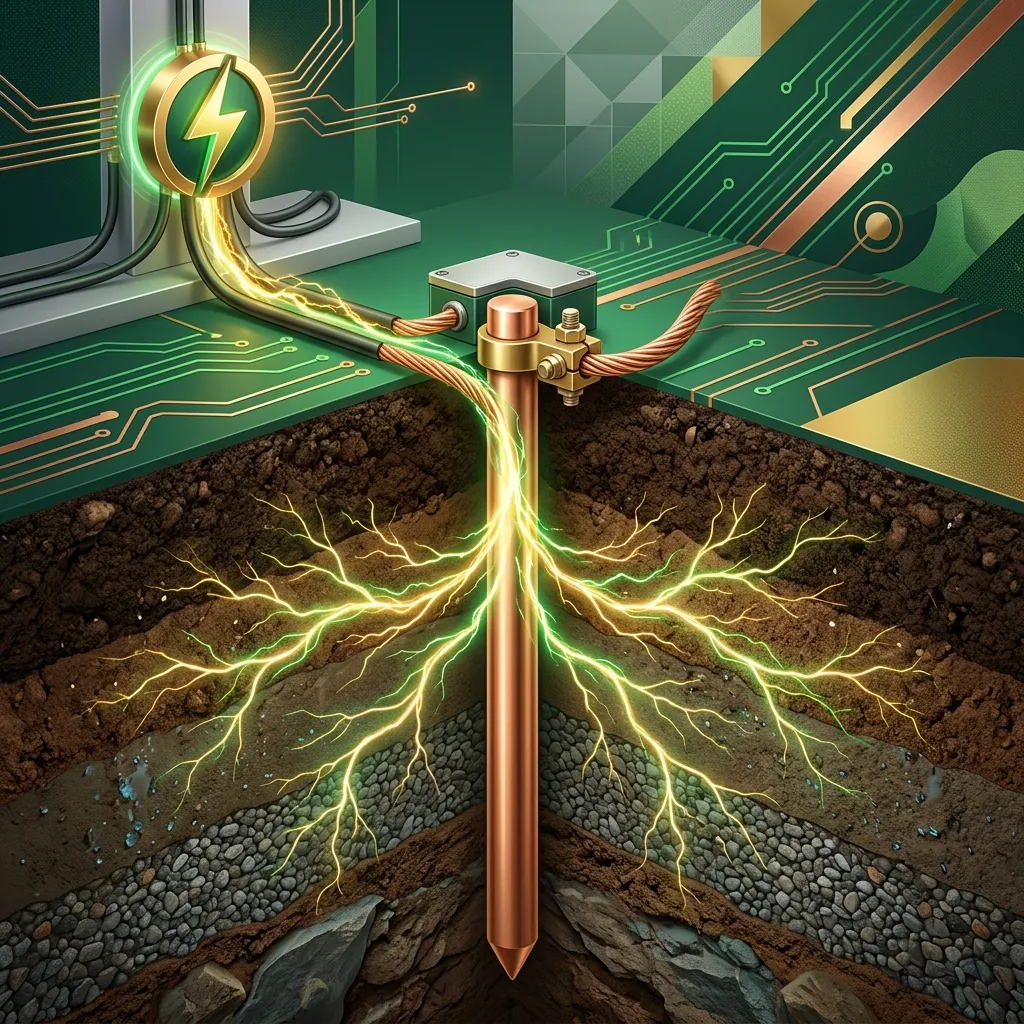
A Complete Guide to Earthing and Its Importance in Electrical Safety
Most electrical failures don't begin with a dramatic flash or an explosion. Those failures may start quietly. It might be a cable insulation breaks down, moisture finds its way into a panel, or a metal enclosure becomes live without anyone noticing.
That's where what is earthing stops being a classroom topic and becomes a practical one. A correctly designed earthing arrangement gives fault current somewhere safe to go before it turns into an accident. If ignored, even a minor fault can become a serious safety issue.
In this post, we’ll dive deep into the topic of earthing, including what earthing is, its importance, and the role it plays in improving electrical safety across residential, commercial, and industrial installations.
What is Earthing?
At its core, earthing is a safety measure. It connects the exposed metal parts of an electrical installation to the earth through a low-resistance conductor. You don't notice it during normal operation because it isn't supposed to do anything. Its job begins only when something goes wrong.
When insulation fails or a live wire comes into contact with a metal enclosure, the fault current needs a safe route to escape. A properly installed earthing system offers that path, allowing protective devices like circuit breakers or fuses to trip quickly. Instead of letting electricity build up on exposed metal surfaces, electrical earthing safely diverts it into the ground, reducing the risk of electric shock, equipment damage, and unexpected downtime.
Importance of Earthing in Electrical Safety
Electrical faults are inevitable. Good engineering is about making sure they don't become dangerous.
A properly installed earthing system gives fault current a direct path into the ground instead of allowing it to travel through a machine, a structure, or worse, a person. That single connection can mean the difference between a circuit breaker tripping in a fraction of a second and an accident that shuts down operations. The real importance of earthing lies in reducing risk before it has a chance to grow.
Protects Human Life
If a machine body becomes live because of an insulation fault, earthing keeps the touch voltage low enough for protective devices to trip quickly.
Prevents Equipment Damage
Fault current is cleared before it lingers inside cables, motors, transformers, or switchgear, reducing unnecessary repairs and production downtime.
Reduces Fire Hazards
Many electrical fires begin with unnoticed leakage current or overheating conductors. Proper earthing reduces the chance of those faults escalating.
Stabilizes Voltage Levels
A reliable grounding system provides a stable electrical reference, helping connected equipment operate more consistently during abnormal conditions.
Key Components of an Earthing System
An earthing system is only as reliable as the parts that make it up. You can install the best electrode available, but if the conductor is damaged or the connections loosen over time, the system won't perform when it's needed most. That's why experienced engineers never judge an earthing installation by a single component. They look at the complete setup.
Earth Electrode
This is the part that stays in direct contact with the soil, allowing fault current to disperse safely into the ground.
Earthing Conductor
It links electrical equipment with the earth electrode. A poor-quality or damaged conductor weakens the entire earthing system.
Earth Pit
The earth pit keeps the electrode accessible for inspection, testing, and maintenance throughout its service life.
Inspection Chamber
Routine testing becomes quicker and safer when all earthing connections remain accessible without unnecessary excavation or dismantling.
How an Earthing System Works
An earthing system rarely gets any attention because, under normal conditions, there's nothing to notice. It simply remains in place, ready for the moment an electrical fault occurs.
When insulation fails or a live conductor accidentally comes into contact with a metal enclosure, the fault current doesn't wander through the installation looking for a way out. It follows the earthing path that's already there.
That flow of current is enough to trigger the circuit breaker or fuse, cutting off the power before the fault has a chance to become something more serious.
In most cases, the entire sequence is over before anyone nearby even realizes a fault has occurred. That's exactly how a well-designed earthing installation is supposed to work, which is quietly, reliably, and only when it's truly needed.
Why Earthing in Electrical Systems Should Never Be Overlooked
An earthing system doesn't usually announce that something is wrong. Equipment may continue running, lights stay on, and everything appears normal. Meanwhile, corrosion, loose joints, or increasing earth resistance can quietly reduce the system's ability to clear a fault. That's why earthing in electrical systems deserves routine attention rather than a one-time installation.
A neglected earthing system doesn't always cause a major electrical fault right away. Instead, maintenance teams often notice these warning signs first:
- Earth resistance readings start drifting higher during routine testing.
- Earthing conductors show corrosion, physical damage, or loose terminations.
- Protective devices take longer than expected to clear a fault.
- Metal enclosures develop measurable touch voltage under fault conditions.
- Inspection records are missing or earth pits haven't been checked for years.
Good maintenance isn't about expecting something to fail. It's about making sure the protection you've invested in will respond exactly as intended when it's finally needed.
Build a Safer Electrical System with the Right Earthing Solution
Electrical safety isn't decided when everything is running smoothly. It's decided the moment a fault occurs and your protection has to do its job.
That's why many project consultants, contractors, and facility teams pay close attention to the quality of the earthing system from the very beginning. It's a decision that continues to matter long after the installation is complete.
If you're evaluating earthing products for an upcoming project, the team at Vasundhara Earthing can help you choose solutions that match your site's requirements and long-term performance expectations.
FAQs
Q.1. Can an electrical system work without earthing?
A: Absolutely. Electrical equipment may continue to operate without proper earthing. However, in the event of an insulation failure or fault, the absence of a reliable earthing system can significantly increase the risk of electric shock, equipment damage, and electrical fires.
Q.2. How often should an earthing system be inspected?
A: The inspection frequency depends on the type of installation and applicable safety standards. Industrial facilities generally carry out periodic visual inspections and earth resistance testing as part of their preventive maintenance schedule.
Q.3. Is earthing the same as lightning protection?
A: No. While both systems are connected to the ground, they serve different purposes. Earthing protects electrical installations from fault currents, whereas a lightning protection system safely carries lightning strikes to the earth.